
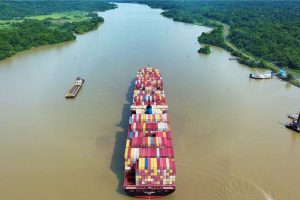
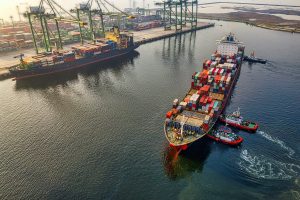
Ocean shipping connects businesses and markets around the world. Every day, container vessels travel along established trade routes to transport raw materials, manufactured goods, and consumer products between major economic regions.
However, shipping routes are not always fixed. Changes in geopolitical conditions, weather, port operations, infrastructure, and global trade patterns can cause vessels and shipping companies to adjust their routes.
What Are Global Trade Lanes?
Global trade lanes are major maritime routes used to transport goods between different regions of the world. These routes connect important manufacturing centers, ports, and consumer markets across Asia, Europe, the Middle East, and the Americas.
Some of the world’s most important maritime routes pass through strategic waterways such as the Suez Canal, Panama Canal, and Strait of Malacca. These routes can help vessels reduce sailing distances and connect major markets more efficiently.
Why Do Shipping Routes Change?
Shipping routes can change for several reasons. One of the most important is the safety and security of vessels and crew.
Geopolitical tensions, conflicts, or security threats in or around important waterways may lead carriers to avoid certain areas and select alternative routes. Although rerouting can improve safety, it may also increase sailing distances and transit times.
Weather conditions can also influence route planning. Severe storms, hurricanes, typhoons, and other extreme weather events may require vessels to adjust their course or delay their journey.
The Role of Major Canals and Chokepoints
Strategic waterways play an important role in global shipping. Canals and maritime chokepoints allow vessels to move between major markets without taking significantly longer alternative routes.
The Suez Canal, for example, provides an important connection between the Mediterranean Sea and the Red Sea, while the Panama Canal connects the Atlantic and Pacific Oceans.
The Strait of Malacca is another major maritime chokepoint, particularly important for trade between the Indian Ocean and East Asia.
When access to one of these key routes is disrupted, vessels may need to take longer alternative routes, affecting transit times, fuel consumption, vessel schedules, and overall shipping costs.
How Route Changes Affect Businesses
Changes in shipping routes can have a direct impact on businesses that rely on international trade.
A longer route can increase transit time and fuel consumption. Changes in vessel schedules may also affect inventory planning, production schedules, and delivery commitments.
For businesses managing international supply chains, understanding potential changes in shipping routes can help them plan ahead and respond more effectively to unexpected disruptions.
Shipping Routes and Global Trade Patterns
Shipping routes also evolve as global trade patterns change. The growth of manufacturing, changes in consumer demand, new trade agreements, and shifts in production locations can influence the movement of cargo between regions.
As trade flows develop, shipping companies and logistics providers may adjust services and routes to better connect important markets and respond to changing cargo demand.
Planning for a Changing Shipping Environment
Shipping routes can change quickly when global conditions shift. For businesses involved in international trade, staying informed about shipping developments and maintaining flexible supply chain plans can help reduce the impact of unexpected changes.
Working closely with shipping and logistics professionals can also help businesses evaluate alternative routes, manage schedules, and make better decisions when transportation conditions change.
Viet Star Shipping Line
Supporting Global Cargo Movement Global trade depends on reliable maritime connections, but shipping routes must continue to adapt to changing conditions around the world. Viet Star Shipping Line supports international cargo movement through shipping and logistics coordination, helping businesses navigate the complexities of global maritime transportation and maintain reliable connections with international markets.
Source:
https://unctad.org/publication
https://unctad.org/RMT?utm_source=chatgpt.com
https://unctad.org/press-material
_________________________________________________________________________________________________________________________________________________
Viet Star Shipping Line
 +84 862 904 666
 info@vssl.com.vn

 27-29 Ngo Thi Bi Street, Tan Hung Ward, Hochiminh City