
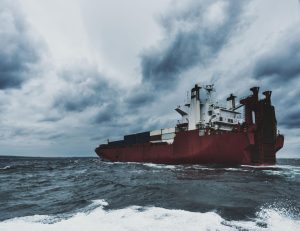
Ocean shipping plays a vital role in global trade, connecting businesses, manufacturers, and consumers across international markets. However, the movement of cargo by sea can be affected by events far beyond the shipping industry itself.
From geopolitical tensions and extreme weather to port congestion and changes in global trade, unexpected events can disrupt shipping routes, schedules, transit times, and supply chains.
Geopolitical Tensions and Conflicts
Geopolitical tensions and armed conflicts can have a significant impact on ocean shipping. When certain shipping routes become unsafe or difficult to navigate, vessels may be required to take alternative routes to protect the safety of crew and cargo.
Longer routes can increase transit times, fuel consumption, and operational costs. These changes may also affect vessel schedules and the timing of cargo deliveries.
Extreme Weather and Natural Disasters
Weather conditions are another major factor that can affect ocean transportation. Storms, typhoons, hurricanes, and other severe weather events may force vessels to delay departures or change their routes.
Natural disasters can also disrupt port operations and inland transportation, creating additional delays throughout the supply chain.
Port Congestion and Operational Delays
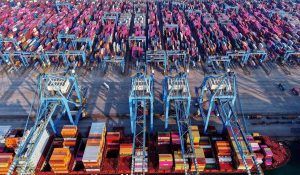
Ports are essential connection points in global supply chains. When ports experience congestion, vessels may have to wait longer to berth, while containers may take more time to be loaded, unloaded, or moved to their next destination.
Port congestion can create a chain reaction, affecting vessel schedules and causing delays at other ports along the same shipping route.
Changes in Global Trade
Changes in global trade patterns can also influence ocean shipping. Shifts in consumer demand, trade policies, tariffs, and economic conditions may change the volume and direction of cargo moving between regions.
As trade flows change, shipping companies and logistics providers may need to adjust routes, schedules, and capacity to meet new market demands.
The Impact on Businesses and Supply Chains
Disruptions in ocean shipping can affect businesses in many ways. Delays may lead to inventory shortages, production disruptions, missed delivery deadlines, and increased transportation costs.
For businesses that depend on international trade, understanding potential risks and planning for possible disruptions can help improve supply chain resilience.
Building More Resilient Supply Chains
While global events cannot always be predicted, businesses can take steps to prepare for potential disruptions. Maintaining clear communication with logistics partners, monitoring shipping schedules, allowing additional transit time, and considering alternative transportation options can help businesses respond more effectively when unexpected challenges occur.
A flexible and well-planned supply chain can help businesses adapt to changing conditions and maintain the flow of goods across international markets.
Viet Star Shipping Line: Supporting Reliable Ocean Shipping
Global events can create challenges for the shipping industry, but effective planning and coordination can help businesses navigate an ever-changing international trade environment.
Viet Star Shipping Line supports businesses in managing their international cargo through reliable shipping and logistics coordination. By staying informed about global developments and working closely with customers and partners, we aim to help cargo move more smoothly across international markets.
Source:
_________________________________________________________________________________________________________________________________________________
Viet Star Shipping Line
 +84 862 904 666
 info@vssl.com.vn

 27-29 Ngo Thi Bi Street, Tan Hung Ward, Hochiminh City