
How Does Container Shipping Work? A Complete Guide to Sea Freight
Container shipping is one of the most important methods of transporting goods in international trade. Every day, thousands of containers move between ports around the world, carrying products ranging from raw materials and machinery to consumer goods.
But how does container shipping actually work?
From booking cargo space and preparing containers to loading, ocean transportation, port handling, and delivery, a container goes through several important stages before reaching its final destination.
In this guide, Viet Star Shipping Line (VSSL) explains the basic container shipping process and the key terms businesses should understand when transporting cargo by sea.
What Is Container Shipping?
Container shipping is the transportation of goods using standardized shipping containers that can be moved between different modes of transportation, including vessels, trucks, and rail.
The most common container types include:
- 20-foot Dry Container (20GP)
- 40-foot Dry Container (40GP)
- 40-foot High Cube Container (40HC)
- Refrigerated Container (Reefer)
- Open Top Container
- Flat Rack Container
Standardized containers make it easier to handle cargo throughout the international transportation process.
Instead of unloading individual goods every time cargo changes from vessel to truck or rail, the entire container can be transferred between transportation modes.
How Does Container Shipping Work?
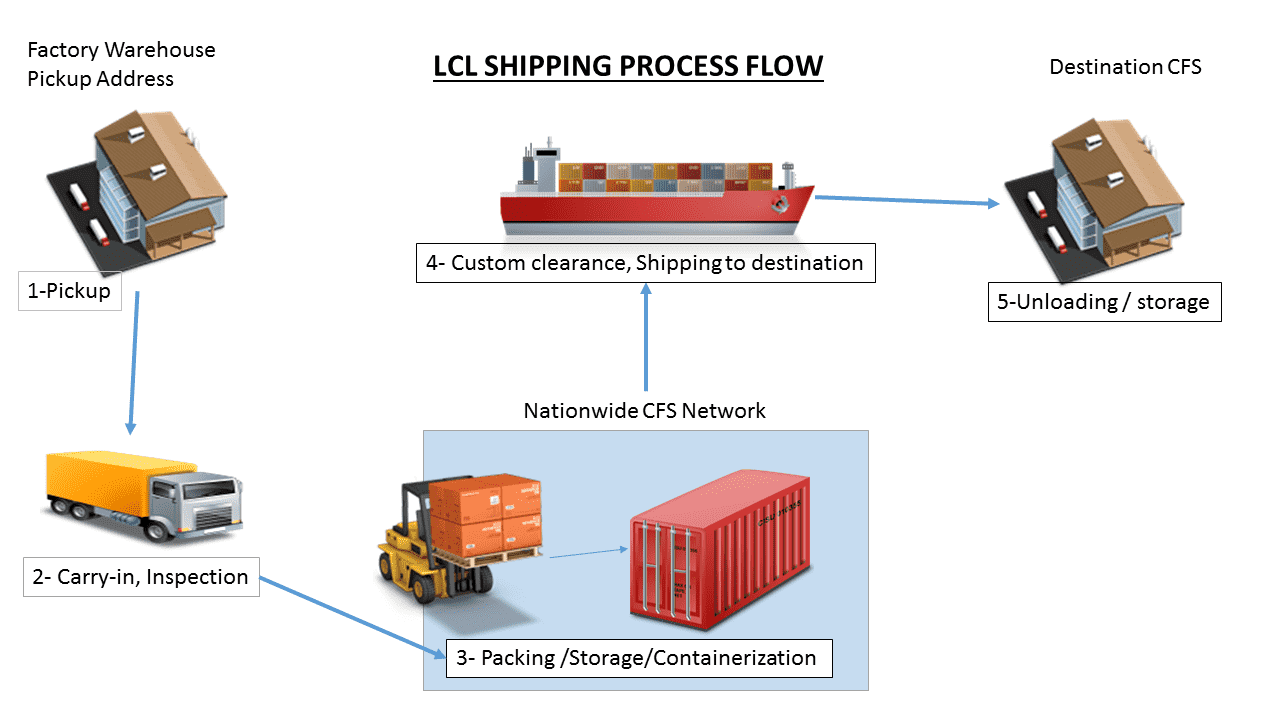
The container shipping process can generally be divided into several key stages:
Cargo Booking → Container Preparation → Cargo Loading → Port Handling → Vessel Loading → Ocean Transportation → Destination Port → Customs Clearance → Container Delivery → Empty Container Return
Let’s look at each stage in more detail.
1. Booking the Shipment
The first step is to arrange space for the cargo on a vessel.
The shipper provides shipment details such as:
- Origin port
- Destination port
- Cargo type
- Container type
- Number of containers
- Estimated cargo weight
- Expected shipping schedule
The shipping line then confirms the booking based on vessel capacity, sailing schedules, and applicable service conditions.
For businesses shipping regularly, choosing a reliable shipping line and suitable sailing schedule can be an important part of supply chain planning.
2. Preparing the Container
After the booking is confirmed, the appropriate container is arranged for the shipment.
For export cargo, the empty container is typically released to the shipper or designated party according to the shipping line’s instructions.
The container should be checked to ensure that it is suitable for the cargo.
Depending on the type of goods, the shipper may also need to consider:
- Cargo weight
- Packaging
- Cargo securing
- Special handling requirements
- Temperature requirements
- Dangerous goods regulations
Proper container preparation helps reduce the risk of cargo damage during transportation.
3. Loading Cargo into the Container
The shipper loads the goods into the container, commonly referred to as container stuffing.
Cargo should be properly packed, distributed, and secured inside the container.
The shipper is generally responsible for ensuring that:
- Cargo is properly packed
- Weight is distributed appropriately
- Goods are secured
- Required shipping documents are prepared
- Container weight information is declared accurately
For certain cargo, additional regulations and documentation may apply.
4. Moving the Container to the Port
Once the cargo has been loaded, the container is transported to the designated origin terminal.
The container must arrive within the terminal’s required cut-off time.
The cut-off time is important because missing it may result in the container being unable to load onto the intended vessel.
Other deadlines may also apply, such as:
- Documentation cut-off
- VGM cut-off
- Dangerous goods documentation cut-off
- Customs requirements
Therefore, careful coordination before the vessel’s departure is essential.
5. Container Handling at the Origin Port
After entering the terminal, the container goes through the required terminal procedures before being loaded onto the vessel.
The terminal manages activities such as:
- Container receiving
- Yard handling
- Container positioning
- Documentation checks
- Vessel loading operations
The container is then positioned according to the vessel’s loading plan.
6. Loading the Container onto the Vessel
Once the vessel is ready for cargo operations, containers are loaded onto the ship using specialized port equipment.
The vessel’s stowage plan determines where containers are placed.
Factors such as:
- Container weight
- Destination
- Container type
- Dangerous goods
- Vessel stability
- Loading sequence
may be considered when planning container stowage.
Once loading is completed and the vessel departs, the ocean transportation stage begins.
7. Ocean Transportation
The vessel transports the containers from the origin port to the destination port.
Depending on the trade route, the shipment may be:
- Direct
- Transshipped at another port
- Connected through a hub port
The transit time depends on factors such as the shipping route, vessel schedule, port operations, weather conditions, and potential congestion.
During this stage, shipment tracking allows shippers and consignees to monitor the vessel’s progress and estimated arrival.
8. Arrival at the Destination Port
When the vessel reaches the destination port, containers are discharged from the vessel and transferred to the terminal yard.
The container then waits for the necessary procedures before it can be released for onward transportation.
At this stage, several factors can affect the cargo release process, including:
- Customs clearance
- Documentation
- Import regulations
- Terminal procedures
- Container availability
9. Customs Clearance
For international shipments, customs clearance is an important part of the import process.
The importer or its appointed customs representative typically prepares the necessary documentation and completes the required customs procedures.
Depending on the country and type of cargo, documents may include:
- Commercial Invoice
- Packing List
- Bill of Lading
- Customs declaration
- Certificate of Origin
- Import permits, where applicable
The specific requirements vary according to the destination country and cargo type.
10. Container Delivery
After the necessary procedures are completed and the container is released, the cargo can be transported from the terminal to the consignee’s warehouse or designated location.
Depending on the logistics arrangement, the container may be transported by:
- Truck
- Rail
- Barge
- A combination of transportation modes
The cargo is then unloaded at the receiving location.
11. Empty Container Return
After the cargo has been unloaded, the empty container generally needs to be returned to the location specified by the shipping line.
The return must be completed within the applicable period and according to the carrier’s instructions.
Failing to return the container on time may result in additional detention charges.
For this reason, importers should pay attention to the agreed Free Time and empty-container return requirements.
Key Documents in Container Shipping
Several documents are commonly involved in international container shipping.
Bill of Lading
The Bill of Lading (B/L) is one of the most important documents in ocean transportation. It contains key information about the shipment, such as the shipper, consignee, cargo, and transportation details.
Commercial Invoice
The commercial invoice provides information about the transaction and value of the goods.
Packing List
The packing list provides details about the cargo, including packages, quantities, weight, and dimensions.
Verified Gross Mass (VGM)
For packed containers transported by sea, the verified gross mass is an important requirement for safe vessel operations and stowage planning.
Certificate of Origin
Depending on the destination and applicable trade agreements, a Certificate of Origin may be required to demonstrate the origin of the goods.
What Factors Affect Container Shipping Time?
The transit time of a container shipment can vary considerably.
Key factors include:
Shipping Route
Different trade lanes have different sailing distances and schedules.
Port Congestion
Congestion can affect vessel berthing, container handling, and cargo release.
Transshipment
Shipments requiring a connection at another port may take longer than direct services.
Customs Clearance
Delays in documentation or customs procedures can affect the overall cargo delivery timeline.
Weather and Operational Conditions
Weather, port conditions, and unexpected operational disruptions can influence vessel schedules.
For this reason, the estimated transit time provided at booking should be considered a planning estimate rather than an absolute guarantee.

Why Choose a Reliable Shipping Line?
A reliable shipping line plays an important role in international container transportation.
Businesses typically look for:
- Consistent sailing schedules
- Suitable port coverage
- Reliable vessel operations
- Professional customer support
- Shipment visibility
- Efficient documentation processes
- Clear communication
A dependable shipping partner can help businesses plan their international cargo movements more effectively and maintain greater control over their supply chain.
Container Shipping with Viet Star Shipping Line (VSSL)
Viet Star Shipping Line (VSSL) is committed to supporting efficient and reliable container transportation for international trade.
With a focus on schedule reliability, operational efficiency, and customer service, VSSL works to connect ports and support the movement of cargo across global trade routes.
From booking and container handling to vessel transportation and destination operations, every stage of the shipping process requires careful coordination.
For businesses looking to move containerized cargo by sea, understanding how the process works can help improve shipment planning, documentation, and overall logistics efficiency.
Conclusion
Container shipping is a complex process involving multiple parties, from shippers and terminals to shipping lines, customs authorities, and consignees.
The typical process can be summarized as:
Booking → Container Preparation → Cargo Loading → Port Handling → Vessel Loading → Ocean Transportation → Destination Port → Customs Clearance → Delivery → Empty Container Return
Understanding each stage can help businesses plan their shipments more effectively, reduce avoidable delays, and manage international trade operations with greater confidence.
Looking for reliable container shipping solutions? Contact Viet Star Shipping Line (VSSL) to discuss your shipping requirements and explore suitable ocean transportation options for your cargo.